


Why some holiday parks sell out while others struggle

Dealer Principal, Andrew Hird, explores the reasons why some holiday parks thrive and lessons that underperforming parks can learn to imitate that success.
It's clear that not all holiday parks are created equal. We've all seen new parks with state-of-the-art facilities struggle to attract customers while similar businesses thrive just a few miles away.
The question that naturally arises is why? What's the secret that separates the winners from the laggards?
In this blog, we'll discover how the parks that consistently generate strong demand tend to get several things right at the same time. They understand who they're trying to attract, offer the right holiday home stock and facilities, price their services appropriately, and deliver superior experiences that give customers a reason to return.

Successful holiday parks know exactly who they are for
In my experience, one of the biggest mistakes park operators make is trying to appeal to everyone.
Families looking for an activity-packed break, couples seeking a quieter escape, and customers considering holiday home ownership can have very different expectations. The facilities they value, the type of accommodation they want, as well as their budget can fluctuate considerably.
Understanding your target audience allows you to make more informed decisions across your entire business – for instance, tailoring your website to their search intent or creating engaging content and special offers that are more relevant to them.
A clearly defined brand proposition also makes holiday park marketing more effective, as we've seen in a recent article. When potential guests can quickly understand who your park is designed for and what makes it different, they're more likely to see it as the right choice for them.

The right holiday home stock makes a big difference
The park itself is, of course, a major selling point for prospective holiday homeowners. Picturesque locations, soothing spas, well-equipped gyms, and award-winning restaurants can all add value to the proposition.
At the end of the day, however, the holiday home is what they're buying or renting. It's the special place where guests will build unforgettable memories within the park, so getting the right stock is critical.
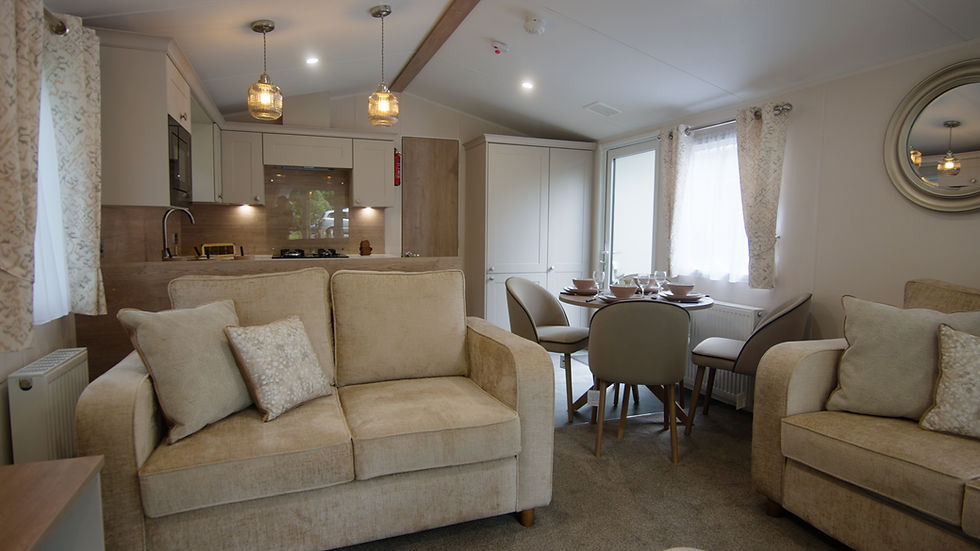
Different customers have different expectations when it comes to accommodation, from the number of bedrooms and layout to furniture, design style, and extra features. A park targeting the premium end of the market, for example, must offer luxury lodges and specifications that reflect that positioning.
Stock also needs to match demand. Carrying accommodation that doesn't appeal to your target audience can tie up capital while doing little to drive sales. Instead, park operators should leverage their day-to-day direct knowledge of customers to inform purchasing decisions, enhance sales performance, and support the company's wider business goals.
Location matters, but the overall park experience matters more
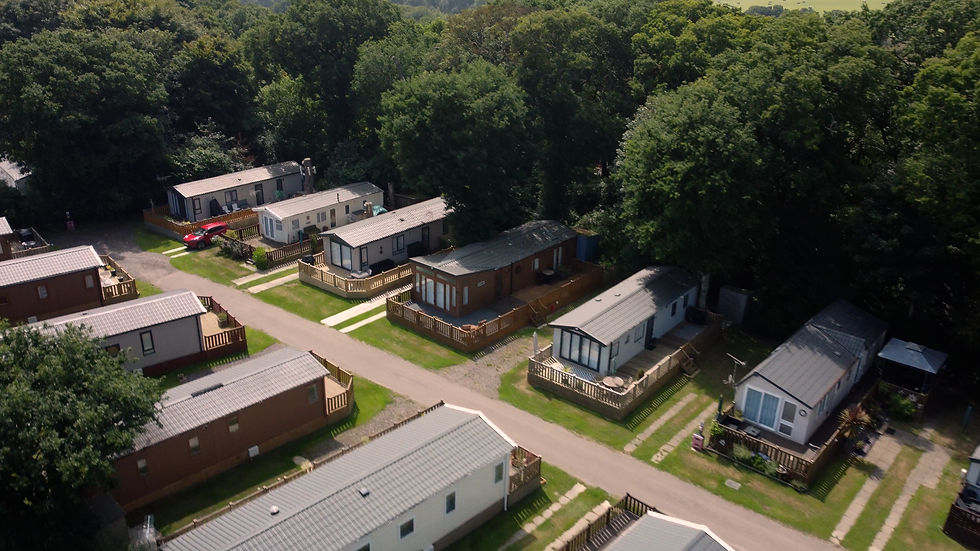
There's no denying the importance of location for a park's success. A charming coastal setting, proximity to popular attractions, or access to beautiful countryside can all help create demand.
But while location isn't something operators can change, they have full control over the experiences the park is built around.
How easy is the park to navigate? What is the arrival experience like? Are facilities well maintained? Does the atmosphere match the story you marketing told? Does the park feel like a place where guests or holiday homeowners would want to spend time with their families, or alone in a relaxing retreat?
A great location may pique someone's interest, but a well-managed park will give them a reason to book, buy, and return again and again.
Facilities should attract your ideal customer type
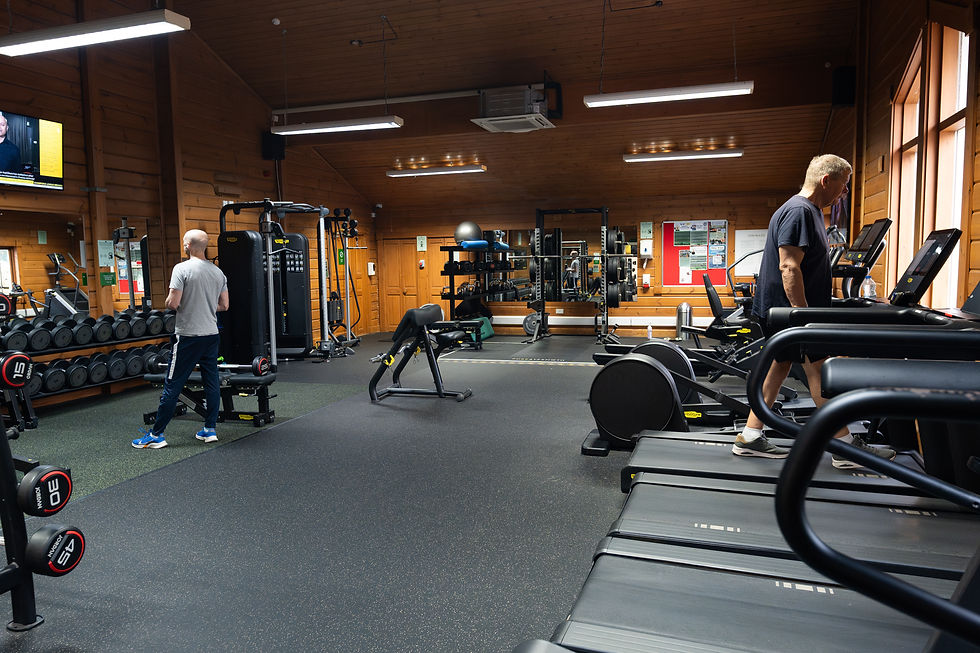
More facilities don't always mean more success. A swimming pool, restaurant, play area, gym, or entertainment venue can all add value, but only when they support the needs of the audience you're trying to attract.
The question shouldn't be, "What new, shiny facility can we add?" but "What would make our target customer want to spend more time (and money) here?" This is particularly important before investing in new park features. Every new facility entails more construction, staffing, maintenance, and operational costs, so understanding the likely commercial benefit is essential.
Carefully handpicked facilities can strengthen your brand proposition, increase on-site spending, and create experiences that encourage repeat bookings. The wrong investment, on the other hand, can inflate costs without creating meaningful returns.
Pricing and value must match customer expectations
Price plays a vital role in any holiday park sales strategy, but it's important to remember that customers rarely consider price in isolation: they also judge whether what they're receiving feels worth the money.
That's why a park built for "luxury holidays" needs its static caravans, lodges, facilities, services, and overall experience to support that price point. Conversely, competing primarily on price can make it difficult to maintain healthy margins and differentiate your park from others in that budget range.
Once again, understanding your target market and competitors is essential. That knowledge helps you establish where your park sits in the market and how much customers are prepared to pay. Rather than asking whether your prices are too high or too low, ask whether the value you're offering is clear. When potential customers understand what they're getting for their money, pricing becomes part of the proposition rather than a barrier to purchase.
The first impression of your park will likely be online
Potential guests or holiday home buyers will likely form an opinion of your park before they've ever spoken to a member of your team. Your website, photography, social media, reviews, position on Google search, and online ads all contribute to that first impression.
This is where a strong digital marketing strategy plays a vital role. Your digital presence should accurately reflect the experience customers can expect, especially your website, which should drive traffic and attract guests by making the reasons to choose your park clear.
Brand consistency matters too. If your website showcases an exclusive luxury park but the UX isn't user friendly or doesn't match that premium feel, the disconnect can damage trust. After all, effective marketing doesn't just grab attention, it sets an expectation for the rest of the customer journey.

A smooth customer journey can make or break the sale
When it comes to holiday park success, generating interest is only half the job. Once someone has made an enquiry, the process that follows can have a significant impact on whether that interest turns into a booking or sale.
Are enquiries responded to quickly? Is it easy to find information about lodge availability and pricing? Can prospective holiday homeowners arrange a viewing without unnecessary friction? Is your sales team knowledgeable and well-prepared to answer questions confidently?
Small obstacles like these can have a meaningful effect on customer intent. Reviewing the journey from initial enquiry through to booking or holiday home purchase can reveal opportunities to increase your holiday park sales or rent performance. The aim is to make it as straightforward as possible for an interested customer to take the next step.
Repeat business comes from good customer experience
Thriving holiday parks don't just focus on finding new guests: they also give existing customers a reason to come back.
This is because a positive customer experience can encourage repeat bookings, word of mouth recommendations to friends, and enthusiastic online reviews. And for holiday home owners, consistently good service can help build long-term relationships and improve owner retention.
This creates a virtuous cycle of success. Satisfied customers are more likely to return and recommend the park, generating additional demand while reducing the need for constantly finding new prospects. That's why delivering top-class customer experiences should be a key part of your marketing strategy, not just a nice-to-have that is left to chance.
What successful holiday parks do right
True, there isn't one formula for generating demand. A coastal family park will have a very different proposition from a luxury countryside retreat or an established holiday home ownership community.
But successful parks tend to have a few things in common.
First of all, they understand their target audience very well. They use that knowledge to invest in the right accommodation and facilities. Their pricing reflects the value they provide. Their marketing communicates a clear proposition. Their sales and booking journeys are straightforward. Most importantly, they deliver an experience that makes customers want to come back.
When all these elements work together, holiday park marketing becomes much more effective and tangible business outcomes will follow.

How we can help
At Next Phase Leisure, we understand that growing demand for your holiday park takes time and a well-planned strategy.
We work with many business owners and operators across the UK to help build more successful, commercially sound parks, from holiday home sourcing to operational efficiencies and long-term business development.
Whether you're looking to strengthen your brand, expand your holiday home range with new models, or identify new opportunities for growth, we provide practical advice tailored to your goals. If you'd like to talk about your park, contact Abi or myself on 03300 552178 or email info@nextphaseleisure.co.uk.
Frequently Asked Questions
How can I increase bookings at my holiday park?
Start by reviewing your target audience, accommodation, facilities, pricing, customer experience, and booking journey to identify where potential customers may be dropping out. Once your funnel is optimised, targeted campaigns, supported by a strong brand and USPs, can help increase booking rates.
What makes a holiday park successful?
Successful holiday parks tend to have a clearly defined proposition, the right holiday home stock and facilities for their target audience, competitive pricing, and a consistently positive customer experience. Streamlined marketing and sales funnels then help turn that proposition into bookings and sales.
How important is holiday park marketing?
Holiday park marketing is essential for generating awareness, enquiries, and bookings, but its effectiveness depends on the proposition behind it. Marketing can communicate what makes your park different, but it can't compensate for subpar accommodation or facilities, mismatched pricing, or customer experiences that don't meet customer expectations.
How can holiday parks increase holiday home ownership?
Understanding your target audience, offering holiday home stock that meets their expectations, and targeting them with tailored marketing campaigns is a good starting point. From there, operators can improve sales by generating qualified enquiries, making viewings easy to arrange, responding quickly, and creating a straightforward journey from initial interest to purchase.
How can holiday parks encourage repeat bookings?
Delivering a consistently positive experience is fundamental. Operators should also stay connected with previous guests, make rebooking easy, and use customer feedback and reviews to identify areas for improvement. Strong relationships can turn one-time visitors into repeat customers and advocates for the park.


Comments